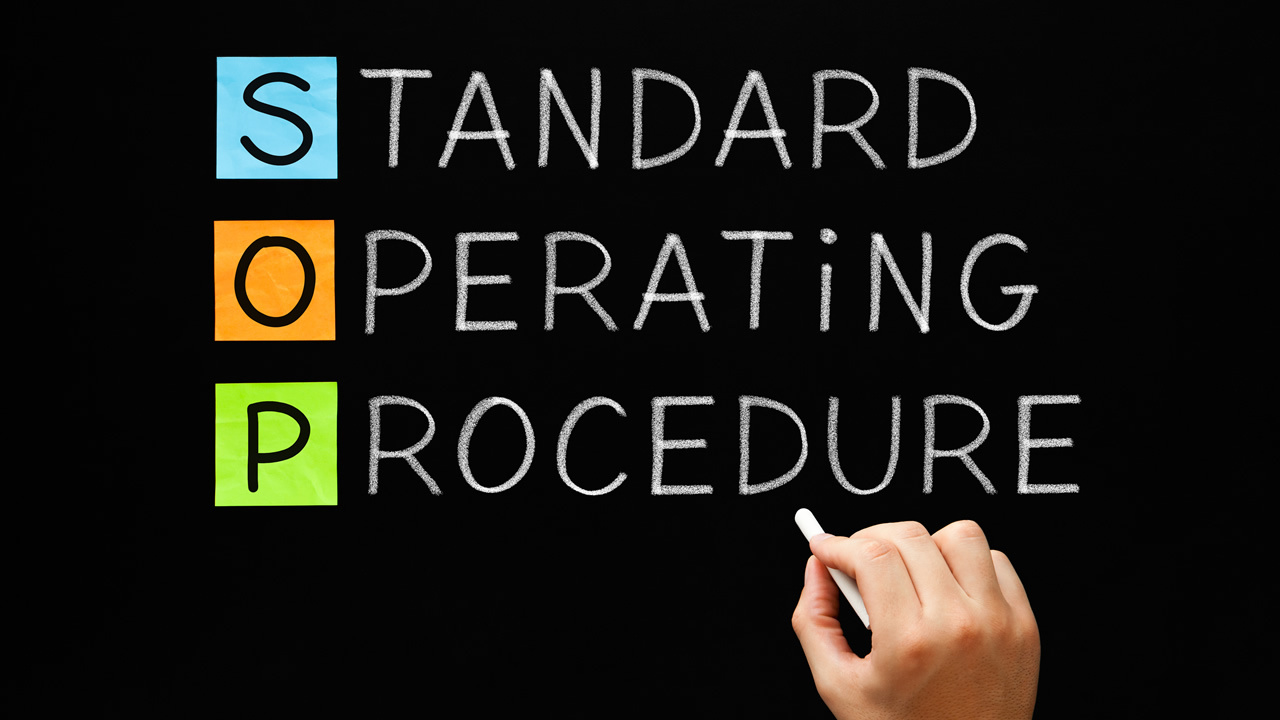
This course introduces students to the principles and practices of writing effective Standard Operating Procedures (SOPs) used in regulated industries. Students will learn why SOPs are essential components of quality and documentation systems, particularly within industries regulated by the U.S. Food and Drug Administration (FDA). The course covers the purpose of SOPs, areas within organizations that require them, and the qualities that make them effective. Students will learn proper SOP structure, required components, and best practices for maintaining current documentation. Through lectures, examples, and hands-on exercises, participants will analyze existing SOPs and practices and write their own SOPs using established principles of effective documentation.
- Biomanufacturing
- Bioprocessing
- Pharmaceutical
- Medical Device
- Cosmetics
- Food
- Beverage
- Other FDA regulated industry sectors.
- Introduction to SOPs
- Regulatory Requirements
- Determining the Need for SOPs
- Elements of Effective SOPs
- SOP Structure and Content
- SOP Analysis and Critique
- SOP Writing exercise
- Maintaining SOPs
- AI and SOPs
Students will:
- Explain the regulatory and business rationale for Standard Operating Procedures.
- Identify FDA expectations for documentation and SOP development.
- Define at least 2 approaches for determining when SOPs are required.
- Identify factors that contribute to effective SOP implementation and use.
- Distinguish between different methods of presenting SOP content.
- Analyze the structure and content of an SOP for completeness and compliance with best practices.
- Create an effective SOP utilizing the principles discussed in the course.
- Explain strategies for maintaining and updating SOPs to ensure accuracy and compliance.
Delivered in-person in a classroom or lab setting.
A combination of online and in-person components.
Delivered online with a live instructor at a scheduled date and time.

This course introduces students to the principles and practices of writing effective Standard Operating Procedures (SOPs) used in regulated industries. Students will learn why SOPs are essential components of quality and documentation systems, particularly within industries regulated by the U.S. Food and Drug Administration (FDA). The course covers the purpose of SOPs, areas within organizations that require them, and the qualities that make them effective. Students will learn proper SOP structure, required components, and best practices for maintaining current documentation. Through lectures, examples, and hands-on exercises, participants will analyze existing SOPs and practices and write their own SOPs using established principles of effective documentation.
- Biomanufacturing
- Bioprocessing
- Pharmaceutical
- Medical Device
- Cosmetics
- Food
- Beverage
- Other FDA regulated industry sectors.
- Introduction to SOPs
- Regulatory Requirements
- Determining the Need for SOPs
- Elements of Effective SOPs
- SOP Structure and Content
- SOP Analysis and Critique
- SOP Writing exercise
- Maintaining SOPs
- AI and SOPs
Students will:
- Explain the regulatory and business rationale for Standard Operating Procedures.
- Identify FDA expectations for documentation and SOP development.
- Define at least 2 approaches for determining when SOPs are required.
- Identify factors that contribute to effective SOP implementation and use.
- Distinguish between different methods of presenting SOP content.
- Analyze the structure and content of an SOP for completeness and compliance with best practices.
- Create an effective SOP utilizing the principles discussed in the course.
- Explain strategies for maintaining and updating SOPs to ensure accuracy and compliance.
Delivered in-person in a classroom or lab setting.
A combination of online and in-person components.
Delivered online with a live instructor at a scheduled date and time.