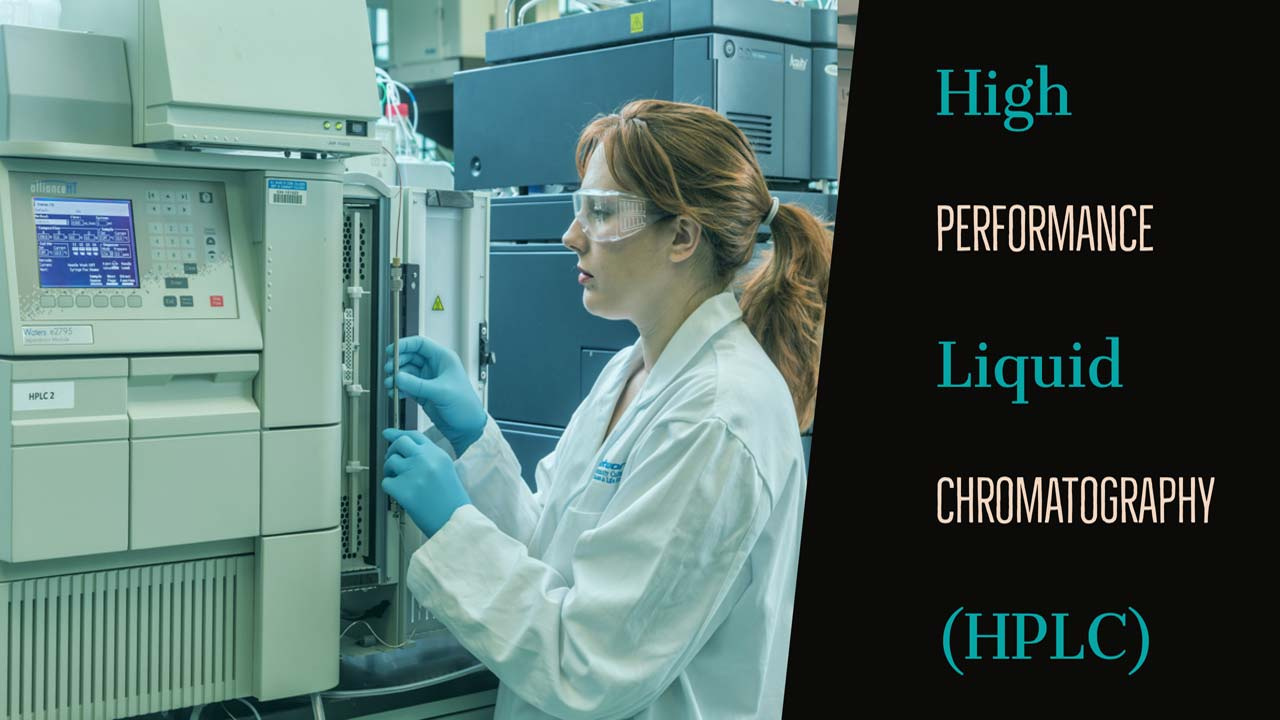
High performance liquid chromatography (HPLC) is a common laboratory technique used to separate combined liquid compounds individually based on their unique chemical properties. When paired with a detector, HPLC equipment can both quantify separate compounds as well as provide a thorough chemical description for each. HPLC is used within pharmaceutical, food and beverage, cosmetics, biotechnology for use in quality control, analytical chemistry, and research. This course will provide students with a detailed understanding of the basic theory and applications of HPLC. Each student will perform a chemical analysis of acetaminophen from Tylenol as part of a final course comprehension assessment.
- Biowork graduates
- Entry-level laboratory technicians
- Analytical chemists
- Associate scientists
- Quality control personnel
- HPLC operations
- HPLC separation types
- Sample preparation
- Observe the operational basics of HPLC software (Empower)
- Prepare HPLC mobile phases and samples
Students will:
- Describe the basic principles of liquid chromatography including stationary phases, mobile phases, analytes, and detectors. Identify the equipment and functions of standard HPLC equipment.
- Develop core analytical laboratory skills using equipment such as a balance, volumetric glassware, and a mobile phase filtration apparatus.
- Prepare mobile phases, acetaminophen standards, and Tylenol samples for chemical analysis via HPLC.
- Demonstrate proper setup and operation of an HPLC system including column and mobile phase installation as well as method setup.
- Recall the fundamentals of HPLC quantitation and the impact of system suitability on HPLC data reliability.
- Perform a Tylenol chemical analysis via HPLC and calculate acetaminophen percent label claim (% L.C.)
Delivered in-person in a classroom or lab setting.

High performance liquid chromatography (HPLC) is a common laboratory technique used to separate combined liquid compounds individually based on their unique chemical properties. When paired with a detector, HPLC equipment can both quantify separate compounds as well as provide a thorough chemical description for each. HPLC is used within pharmaceutical, food and beverage, cosmetics, biotechnology for use in quality control, analytical chemistry, and research. This course will provide students with a detailed understanding of the basic theory and applications of HPLC. Each student will perform a chemical analysis of acetaminophen from Tylenol as part of a final course comprehension assessment.
- Biowork graduates
- Entry-level laboratory technicians
- Analytical chemists
- Associate scientists
- Quality control personnel
- HPLC operations
- HPLC separation types
- Sample preparation
- Observe the operational basics of HPLC software (Empower)
- Prepare HPLC mobile phases and samples
Students will:
- Describe the basic principles of liquid chromatography including stationary phases, mobile phases, analytes, and detectors. Identify the equipment and functions of standard HPLC equipment.
- Develop core analytical laboratory skills using equipment such as a balance, volumetric glassware, and a mobile phase filtration apparatus.
- Prepare mobile phases, acetaminophen standards, and Tylenol samples for chemical analysis via HPLC.
- Demonstrate proper setup and operation of an HPLC system including column and mobile phase installation as well as method setup.
- Recall the fundamentals of HPLC quantitation and the impact of system suitability on HPLC data reliability.
- Perform a Tylenol chemical analysis via HPLC and calculate acetaminophen percent label claim (% L.C.)
Delivered in-person in a classroom or lab setting.