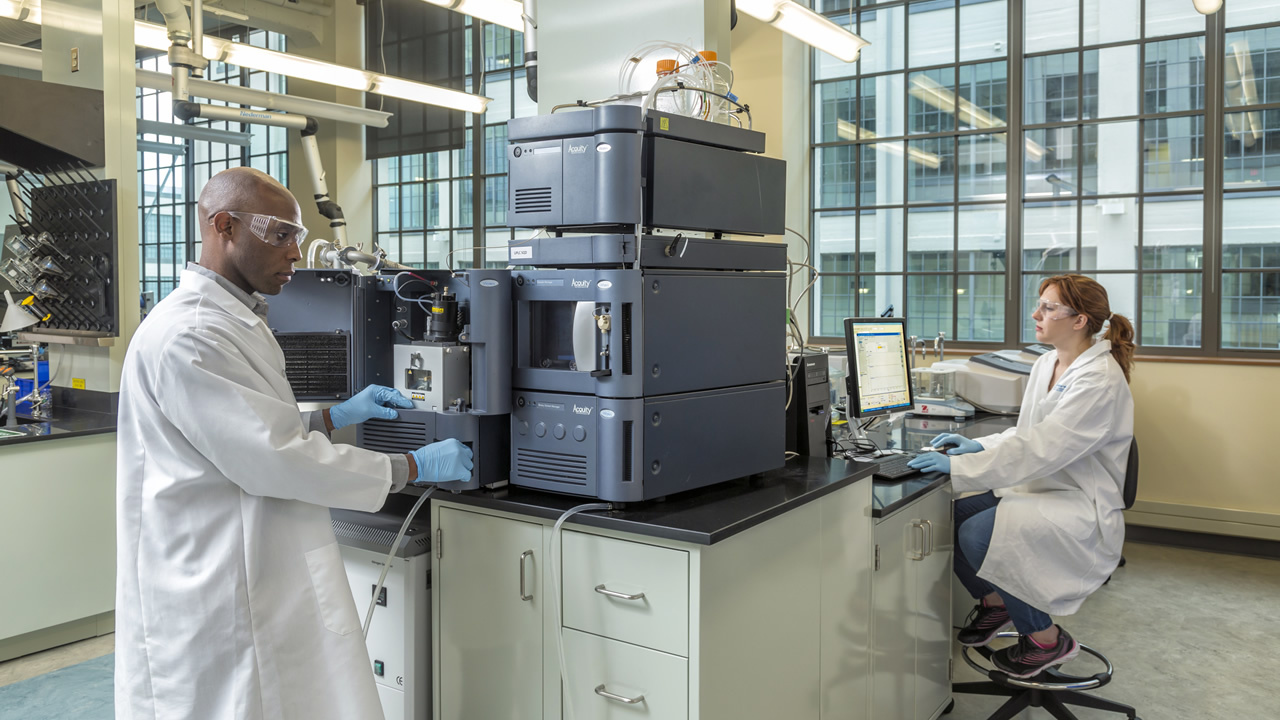
This 4-hour live or virtual intermediate-level course introduces Good Laboratory Practices (GLP) with a practical focus on their role within biomanufacturing and cGMP organizations. Participants learn GLP regulatory foundations, organizational roles, and expectations for facilities, equipment, documentation, and data integrity. Real biopharmaceutical examples from process development, analytical development, MSAT, and pilot labs are used to show when data becomes regulated and what regulators expect during GMP inspections.
- Pharmaceutical
- Biomanufacturing
- Biotechnology positions in Quality Control
- Quality Assurance
- Regulatory
- Engineering
- Laboratory
- Process Development
- Analytical Development
- MSAT
- Manufacturing
- Any other role that generates, reviews, or relies on GLP or development data to support cGMP decisions and regulatory expectations
- GLP regulatory foundations
- Organizational roles
- Expectations for facilities
- Equipment
- Documentation
- Data integrity
Students will be able to:
- Explain what GLP is, why it exists, and how it works alongside cGMP.
- Identify when GLP applies in nonclinical studies and biomanufacturing development labs.
- Describe GLP roles and QA oversight within GMP organizations.
- Use good documentation and data-integrity practices in development and analytical labs.
- Recognize common risks and inspection issues at the GLP–GMP interface.
- Prepare GLP data for regulatory use and GMP inspections.
Delivered in-person in a classroom or lab setting.
A combination of online and in-person components.
Delivered online with a live instructor at a scheduled date and time.

This 4-hour live or virtual intermediate-level course introduces Good Laboratory Practices (GLP) with a practical focus on their role within biomanufacturing and cGMP organizations. Participants learn GLP regulatory foundations, organizational roles, and expectations for facilities, equipment, documentation, and data integrity. Real biopharmaceutical examples from process development, analytical development, MSAT, and pilot labs are used to show when data becomes regulated and what regulators expect during GMP inspections.
- Pharmaceutical
- Biomanufacturing
- Biotechnology positions in Quality Control
- Quality Assurance
- Regulatory
- Engineering
- Laboratory
- Process Development
- Analytical Development
- MSAT
- Manufacturing
- Any other role that generates, reviews, or relies on GLP or development data to support cGMP decisions and regulatory expectations
- GLP regulatory foundations
- Organizational roles
- Expectations for facilities
- Equipment
- Documentation
- Data integrity
Students will be able to:
- Explain what GLP is, why it exists, and how it works alongside cGMP.
- Identify when GLP applies in nonclinical studies and biomanufacturing development labs.
- Describe GLP roles and QA oversight within GMP organizations.
- Use good documentation and data-integrity practices in development and analytical labs.
- Recognize common risks and inspection issues at the GLP–GMP interface.
- Prepare GLP data for regulatory use and GMP inspections.
Delivered in-person in a classroom or lab setting.
A combination of online and in-person components.
Delivered online with a live instructor at a scheduled date and time.