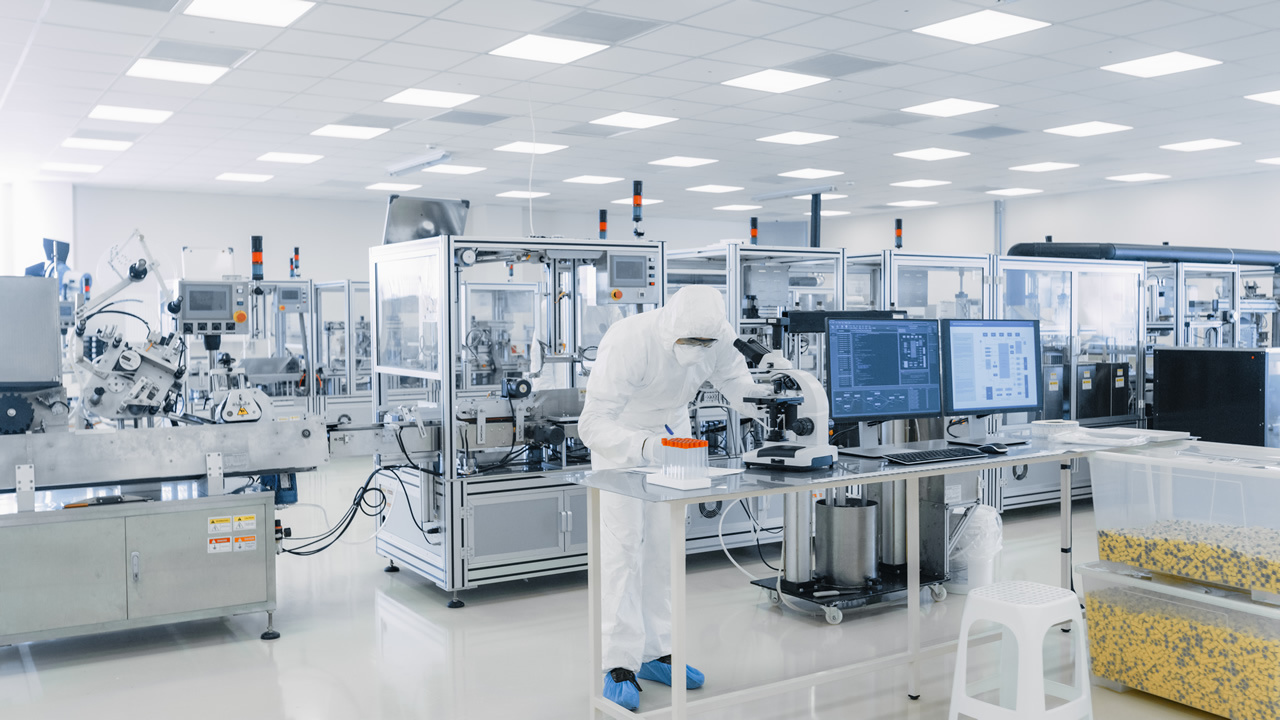
This course provides pharmaceutical and biomanufacturing professionals with a practical understanding of FDA inspections and inspection readiness. Participants will learn how FDA investigators evaluate quality systems, manufacturing operations, laboratory controls, documentation practices, and compliance with Current Good Manufacturing Practice (CGMP) requirements.
- Team Leaders and Supervisors
- Regulatory Personnel
- Quality Control Personnel
- Quality Assurance Personnel
- Manufacturing Technicians
- Administrative Personnel (scribes)
- Maintenance/Engineers
- Inspection preparation,
- Internal auditing
- Company roles during inspections
- Inspection communication practices
- Effective interaction with FDA investigators
- Participants will also examine Form 483 observations, warning letters, and common inspection findings while developing practical strategies for maintaining a state of inspection readiness.
Students will:
- Explain the purpose and regulatory role of FDA inspections within pharmaceutical and biomanufacturing operations.
- Describe how FDA investigators evaluate quality systems, manufacturing controls, laboratory operations, facilities, documentation, and data integrity during inspections.
- Relate FDA inspection activities to Current Good Manufacturing Practice (CGMP) requirements and quality system expectations.
- Differentiate between common FDA inspection types, including surveillance, pre-approval, and for-cause inspections.
- Explain the principles of inspection readiness and the role of internal audits, training, documentation, and quality culture in maintaining compliance.
- Identify company roles and responsibilities during FDA inspections, including hosts, scribes, subject matter experts, quality personnel, and management.
- Demonstrate understanding of effective inspection communication practices, including appropriate responses to inspector questions and document requests.
- Interpret common FDA inspection findings, including Form 483 observations and warning letters.
- Recognize behaviors and practices that support or negatively impact inspection outcomes.
Delivered in-person in a classroom or lab setting.
A combination of online and in-person components.
Delivered online with a live instructor at a scheduled date and time.

This course provides pharmaceutical and biomanufacturing professionals with a practical understanding of FDA inspections and inspection readiness. Participants will learn how FDA investigators evaluate quality systems, manufacturing operations, laboratory controls, documentation practices, and compliance with Current Good Manufacturing Practice (CGMP) requirements.
- Team Leaders and Supervisors
- Regulatory Personnel
- Quality Control Personnel
- Quality Assurance Personnel
- Manufacturing Technicians
- Administrative Personnel (scribes)
- Maintenance/Engineers
- Inspection preparation,
- Internal auditing
- Company roles during inspections
- Inspection communication practices
- Effective interaction with FDA investigators
- Participants will also examine Form 483 observations, warning letters, and common inspection findings while developing practical strategies for maintaining a state of inspection readiness.
Students will:
- Explain the purpose and regulatory role of FDA inspections within pharmaceutical and biomanufacturing operations.
- Describe how FDA investigators evaluate quality systems, manufacturing controls, laboratory operations, facilities, documentation, and data integrity during inspections.
- Relate FDA inspection activities to Current Good Manufacturing Practice (CGMP) requirements and quality system expectations.
- Differentiate between common FDA inspection types, including surveillance, pre-approval, and for-cause inspections.
- Explain the principles of inspection readiness and the role of internal audits, training, documentation, and quality culture in maintaining compliance.
- Identify company roles and responsibilities during FDA inspections, including hosts, scribes, subject matter experts, quality personnel, and management.
- Demonstrate understanding of effective inspection communication practices, including appropriate responses to inspector questions and document requests.
- Interpret common FDA inspection findings, including Form 483 observations and warning letters.
- Recognize behaviors and practices that support or negatively impact inspection outcomes.
Delivered in-person in a classroom or lab setting.
A combination of online and in-person components.
Delivered online with a live instructor at a scheduled date and time.