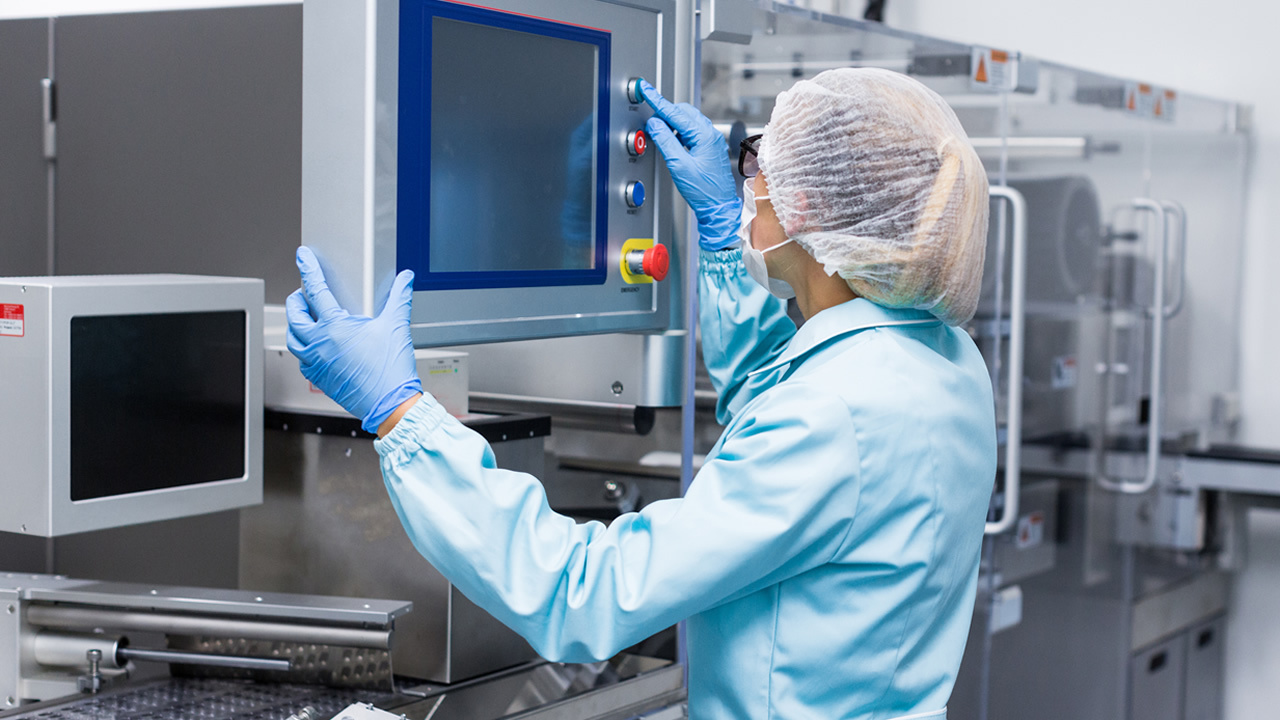
Biopharmaceutical processes are used in upstream processing to create materials that can be purified in downstream processes to produce the desired drug product, including antibiotics, hormones, amino acids, or therapeutic proteins. Through a mixture of lectures and hands-on activities, students will be able to learn the fundamentals of Downstream Processing (DSP) that are essential to the purification of these products.
- Bioprocess Technicians
- Bioprocess Engineers
- Manufacturing Associates
- Fermentation Technicians
- Fermentation Lab Analysts
- Typical equipment used
- Filtration
- Ultrafiltration
- Chromatography
- Column packing
- Viral clearance
- Single-use applications
Attendees who have completed this course should be able to:
- Describe the goals of downstream processing. Explain key equipment and how they work for cell disruption, filtration, centrifugation and ultrafiltration.
- Explain the principles of operation for key types of filter integrity testing including bubble point, pressure hold, forward flow and water intrusion.
- Describe why viral clearance is important and how the orthogonality principle is used in developing viral clearance control.
- Perform a TFF operation that has both ultrafiltration and diafiltration for separating the components of Gatorade.
- Describe basic protein chemistry and understand its importance in chromatography operations. Explain protein denaturation and prevention.
- Prepare a filtrate sample for a chromatography run. Test for conductivity, pH and perform final filtration before storing. Complete batch record.
- Setup and run AKTAstart sequence for system wash. Demonstrate proper removal of system air bubbles.
- Describe the fundamentals of chromatography, principles of design, operation, performance testing and types.
- Explain principles of column packing and observe a demonstration.
Delivered in-person in a classroom or lab setting.

Biopharmaceutical processes are used in upstream processing to create materials that can be purified in downstream processes to produce the desired drug product, including antibiotics, hormones, amino acids, or therapeutic proteins. Through a mixture of lectures and hands-on activities, students will be able to learn the fundamentals of Downstream Processing (DSP) that are essential to the purification of these products.
- Bioprocess Technicians
- Bioprocess Engineers
- Manufacturing Associates
- Fermentation Technicians
- Fermentation Lab Analysts
- Typical equipment used
- Filtration
- Ultrafiltration
- Chromatography
- Column packing
- Viral clearance
- Single-use applications
Attendees who have completed this course should be able to:
- Describe the goals of downstream processing. Explain key equipment and how they work for cell disruption, filtration, centrifugation and ultrafiltration.
- Explain the principles of operation for key types of filter integrity testing including bubble point, pressure hold, forward flow and water intrusion.
- Describe why viral clearance is important and how the orthogonality principle is used in developing viral clearance control.
- Perform a TFF operation that has both ultrafiltration and diafiltration for separating the components of Gatorade.
- Describe basic protein chemistry and understand its importance in chromatography operations. Explain protein denaturation and prevention.
- Prepare a filtrate sample for a chromatography run. Test for conductivity, pH and perform final filtration before storing. Complete batch record.
- Setup and run AKTAstart sequence for system wash. Demonstrate proper removal of system air bubbles.
- Describe the fundamentals of chromatography, principles of design, operation, performance testing and types.
- Explain principles of column packing and observe a demonstration.
Delivered in-person in a classroom or lab setting.