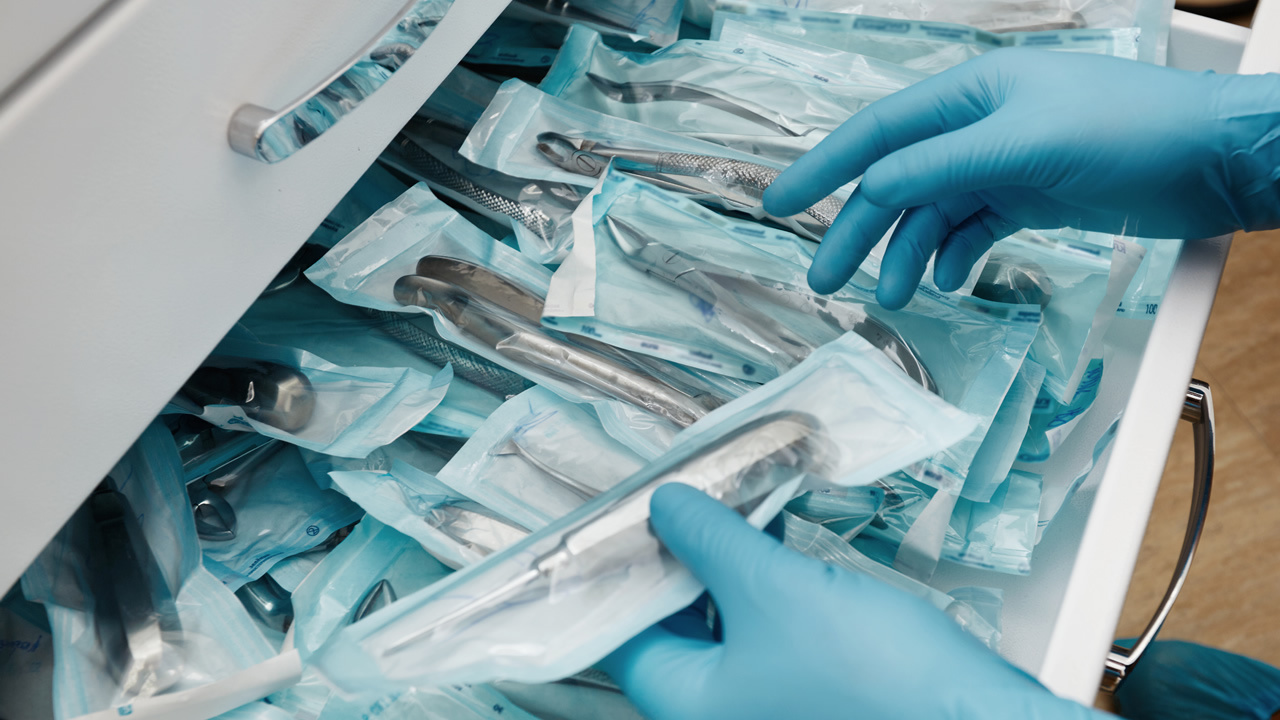
This course provides technicians and other life-science professionals with a practical introduction to Current Good Manufacturing Practices (CGMP) for medical device manufacturing. Participants learn the regulatory foundation of device CGMPs, including FDA oversight, device classification, and the Quality Management System Regulation (QMSR) under 21 CFR Part 820. The course emphasizes how medical device quality management systems support product safety, effectiveness, compliance, and patient protection.
- Manufacturing
- Production
- Quality
- Engineering
- Technical Support
- Maintenance
- Supplier Quality
- Regulatory Affairs
- Other personnel working in medical device or related life-science operations who need an understanding of CGMP, QMSR, and medical device quality system expectations.
- Regulatory definition of medical devices.
- Overview of medical device product types
- The FDA’s role and responsibilities in the regulation and oversight of medical devices
- Regulatory history
- Device classification system
- Clearance process and inspection
- Enforcement
- Comparison of 21 CFR 820 (QSR) to ISO 13485.
By the end of the course, students will be able to:
- Explain the purpose and regulatory foundation of Current Good Manufacturing Practices (CGMP) for medical device manufacturing.
- Describe how FDA regulates medical devices, including device classification, regulatory pathways, and postmarket oversight.
- Describe the relationship between 21 CFR Part 820, the Quality Management System Regulation (QMSR), and ISO 13485:2016.
- Recognize the role of a medical device quality management system in supporting product safety, effectiveness, regulatory compliance, and patient protection.
- Identify key quality system expectations related to management responsibility, risk management, design controls, production controls, purchasing controls, and acceptance activities.
- Describe the importance of Good Documentation Practices (GDP), document control, records, data integrity, electronic records, and objective evidence within medical device quality systems.
- Explain the relationship between nonconforming product, complaints, corrections and removals, Medical Device Reporting, CAPA, change control, and inspection readiness.
- Recognize common FDA inspection findings, enforcement activities, and quality-system weaknesses associated with medical device CGMP noncompliance.
Delivered in-person in a classroom or lab setting.
A combination of online and in-person components.
Delivered online with a live instructor at a scheduled date and time.

This course provides technicians and other life-science professionals with a practical introduction to Current Good Manufacturing Practices (CGMP) for medical device manufacturing. Participants learn the regulatory foundation of device CGMPs, including FDA oversight, device classification, and the Quality Management System Regulation (QMSR) under 21 CFR Part 820. The course emphasizes how medical device quality management systems support product safety, effectiveness, compliance, and patient protection.
- Manufacturing
- Production
- Quality
- Engineering
- Technical Support
- Maintenance
- Supplier Quality
- Regulatory Affairs
- Other personnel working in medical device or related life-science operations who need an understanding of CGMP, QMSR, and medical device quality system expectations.
- Regulatory definition of medical devices.
- Overview of medical device product types
- The FDA’s role and responsibilities in the regulation and oversight of medical devices
- Regulatory history
- Device classification system
- Clearance process and inspection
- Enforcement
- Comparison of 21 CFR 820 (QSR) to ISO 13485.
By the end of the course, students will be able to:
- Explain the purpose and regulatory foundation of Current Good Manufacturing Practices (CGMP) for medical device manufacturing.
- Describe how FDA regulates medical devices, including device classification, regulatory pathways, and postmarket oversight.
- Describe the relationship between 21 CFR Part 820, the Quality Management System Regulation (QMSR), and ISO 13485:2016.
- Recognize the role of a medical device quality management system in supporting product safety, effectiveness, regulatory compliance, and patient protection.
- Identify key quality system expectations related to management responsibility, risk management, design controls, production controls, purchasing controls, and acceptance activities.
- Describe the importance of Good Documentation Practices (GDP), document control, records, data integrity, electronic records, and objective evidence within medical device quality systems.
- Explain the relationship between nonconforming product, complaints, corrections and removals, Medical Device Reporting, CAPA, change control, and inspection readiness.
- Recognize common FDA inspection findings, enforcement activities, and quality-system weaknesses associated with medical device CGMP noncompliance.
Delivered in-person in a classroom or lab setting.
A combination of online and in-person components.
Delivered online with a live instructor at a scheduled date and time.