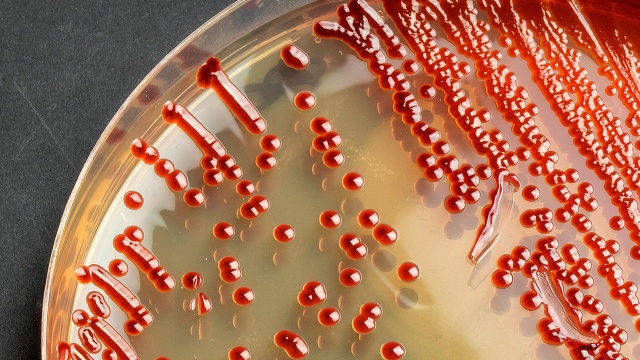
Biopharmaceutical manufacturing relies on the skillful application of aseptic techniques to ensure the manufacture and distribution of sterile drug products. Due to the chemically fragile nature of heat-labile drugs, including many biologics and proteinaceous molecules, aseptic processing is utilized to manufacture product that is typically delivered by injection directly into a patient’s bloodstream. Contamination of these drug products via the introduction of microorganisms, endotoxins or particulates leads to product failure, product destruction and the potential for illness or death of patients and consumers. In our aseptic processing courses, students experience hands-on training in aseptic techniques in a simulated CGMP biomanufacturing environment to ready them for various careers in the biopharmaceutical industry.
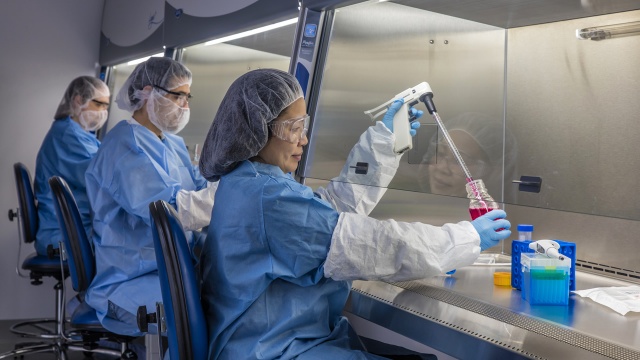
Aseptic Processing Concepts
Aseptic processing is utilized to prevent contamination and manufacture sterile products to ensure patient safety.…
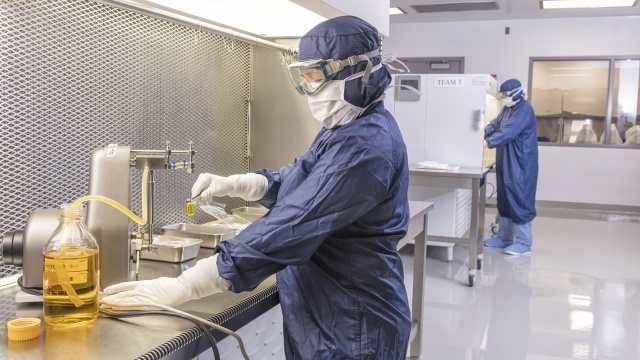
Aseptic Processing I
This course introduces the core principles of aseptic processing in pharmaceutical and biopharmaceutical manufacturing…
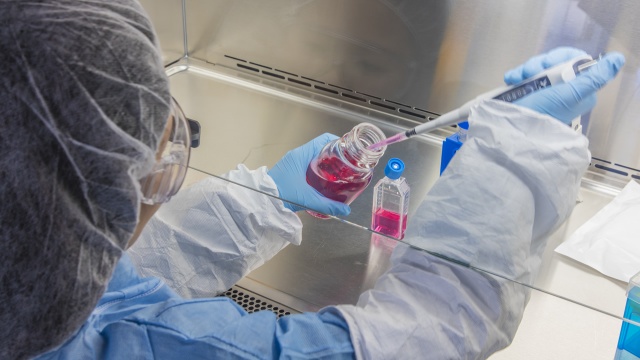
Aseptic Processing II
This course delves more deeply into aseptic processing with intensive hands-on instruction of aseptic techniques in a…
Aseptic Processing Lab Practical
This course covers Why and When for aseptic processing, clean room behavior/Aseptic technique, sterile gowning and…
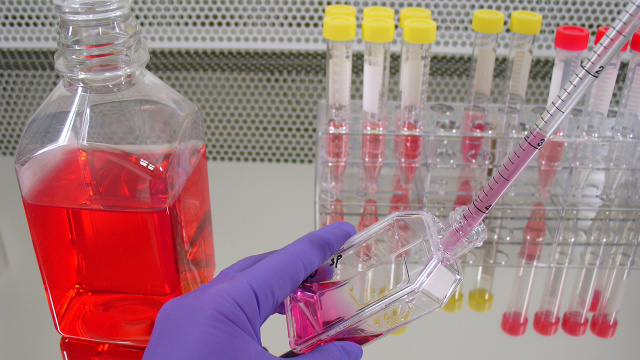
Cell and Tissue Culture Techniques
This course provides students with a sound, practical, and theoretical knowledge of key techniques to perform cell…
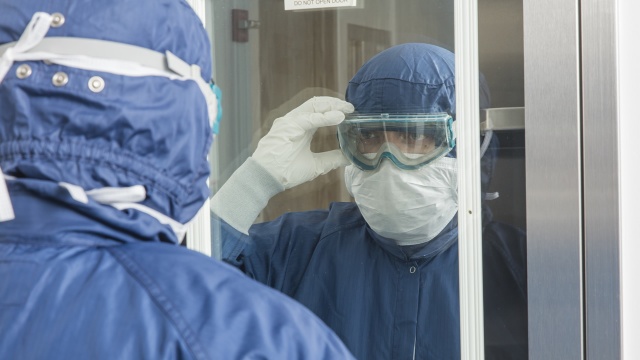
Cleanroom Gowning Concepts
Aseptic gowning is a system of putting on apparel to prevent the contamination of aseptic processing areas. The…
Environmental Monitoring Program for Aseptic Processing
An Environmental Monitoring (EM) program provides meaningful information on the quality of the aseptic…

Introduction to Cell and Gene Therapy
This course presents an introduction to cell and gene therapy. It covers traditional non-genetic cell therapies,…